Emotional Intelligence
What Does Emotional Intelligence Really Mean?
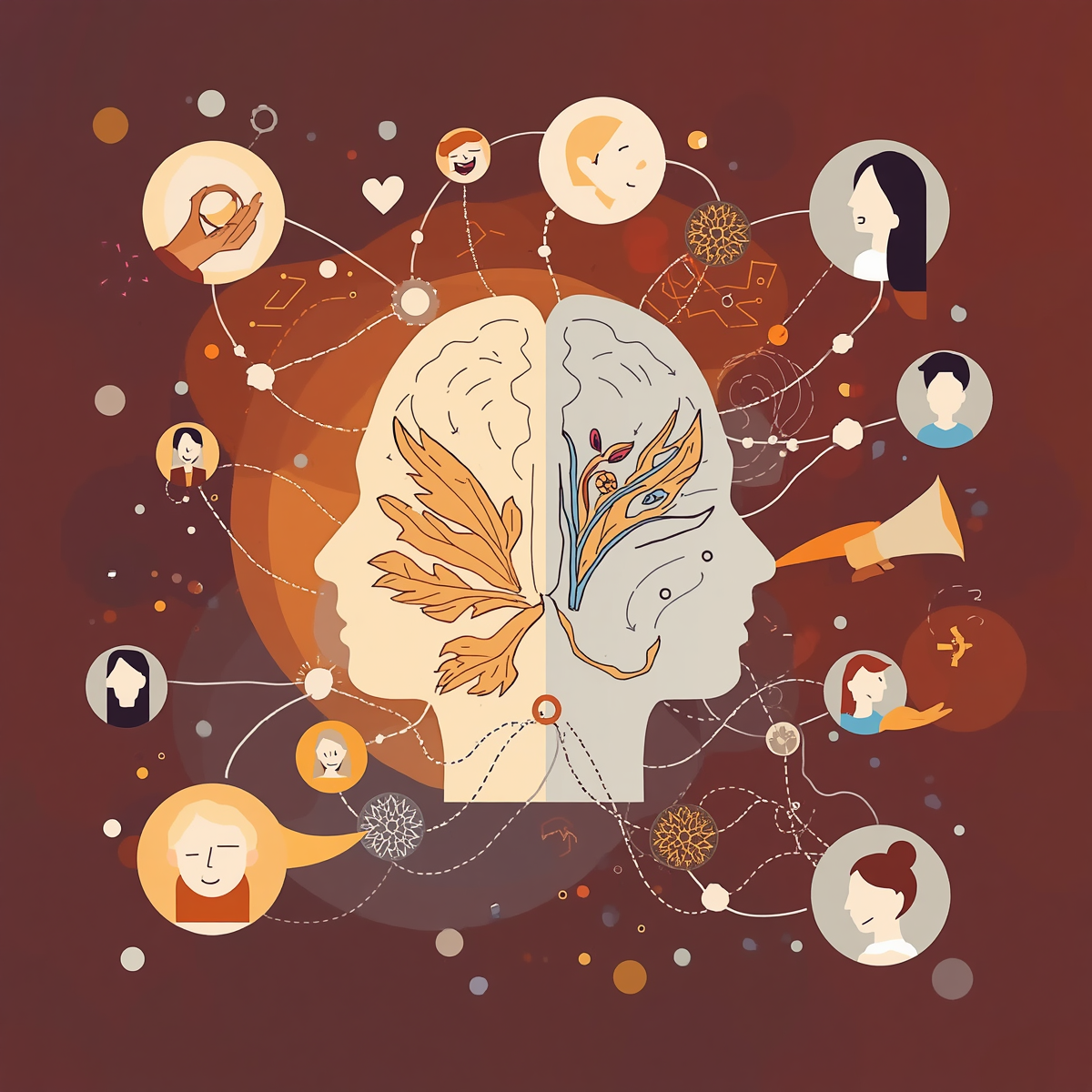
The phrase “emotional intelligence” is everywhere now. In leadership. In relationships. In parenting. In coaching. Even in business meetings. But beyond the buzzword, what does emotional intelligence actually mean?
Is “Emotional Intelligence” about being calm all the time? Never getting angry? Always being nice? Being emotionally “soft”? Is it about always having every situation under control?
Not exactly.
Emotional intelligence is not the absence of emotions. On the contrary, it is the ability to understand, manage, and respond to emotions wisely, both yours and other people’s.
As psychologist Daniel Goleman famously said:
“If your emotional abilities aren’t in hand, if you don’t have self-awareness, if you are not able to manage your distressing emotions, then no matter how smart you are, you are not going to get very far.”
That quote explains a reality many people have experienced firsthand. You can be highly educated and still struggle in relationships. You can be talented and still lose opportunities because of poor emotional control. You can know what is right but still react in ways that damage trust, peace, or progress.
Emotional intelligence is what helps people pause before reacting. It is what helps someone communicate without constantly attacking, withdrawing, or exploding. It shows up in everyday life more than people realise.
It is:
- Recognising that stress affects how you speak to people.
- Listening to understand rather than to respond.
- Being able to apologise sincerely.
- Handling criticism without falling apart.
- Saying “I was wrong.”
- Understanding that not every battle needs a reaction.
Simply put, emotional intelligence is emotional awareness plus emotional responsibility. A lot of people think emotions are the problem. They are not. The problem is usually unmanaged emotions.
For example:
- When a parent shouts at a child, most of the time, it is not because of the child’s mistake, but because of accumulated stress.
- When a leader humiliates staff, sometimes it is simply because they cannot regulate their frustration.
- When a partner shuts down emotionally, it is because they never learned how to express vulnerability.
- When a person keeps sabotaging opportunities, it is because fear controls their decisions.
These are emotional intelligence issues, not intelligence issues. The truth is, emotions influence almost every decision we make. Money decisions. Relationship choices. Career growth. Communication. Leadership. Parenting. That is why emotional intelligence matters so much.
“People will forget what you said, people will forget what you did, but people will never forget how you made them feel.”~ Maya Angelou
This is one of the clearest and simplest explanations of emotional intelligence in human relationships.
People may not remember every conversation, but they remember:
- how safe they felt around you,
- how respected they felt,
- whether they felt heard,
- and whether your presence brought peace or tension.
Emotional intelligence also involves self-awareness.
Self-awareness means being honest enough to ask:
- Why did that trigger me?
- Why do I react this way?
- Why do I avoid difficult conversations?
- Why do I constantly need validation?
- Why am I defensive when corrected?
Many people spend years trying to change their lives without first understanding themselves. And without self-awareness, growth becomes difficult. Another important part of emotional intelligence is empathy.
Empathy is not agreeing with everyone. It is the ability to understand perspectives, emotions, and experiences outside your own. It is what helps people become better leaders, partners, friends, and parents.
As Stephen Covey said:
“Most people do not listen with the intent to understand; they listen with the intent to reply.”
That single habit affects relationships more than many people realise. Emotionally intelligent people do not always have the perfect words. They are not perfect people. They still get hurt, frustrated, angry, and emotional. The difference is that they learn how to respond instead of constantly reacting.
And that takes intentional growth.
Emotional intelligence is not built overnight. It develops through reflection, honesty, maturity, feedback, and experience.
Sometimes growth looks like:
- becoming less defensive,
- learning to communicate better,
- controlling emotional impulses,
- setting healthier boundaries,
- or finally admitting that healing is necessary.
At its core, emotional intelligence is about becoming more aware of yourself and more considerate of others.
Not fake.Not emotionless.Not overly polished.
Just emotionally healthier, wiser, and more intentional. Because in the end, success is not only about how much you know. It is also about how well you manage yourself, relate with people, and handle emotions when life becomes difficult.